How Emerging Technologies Are Transforming the Way Gambling Guides Categorize and Evaluate Digital Entertainment Venues
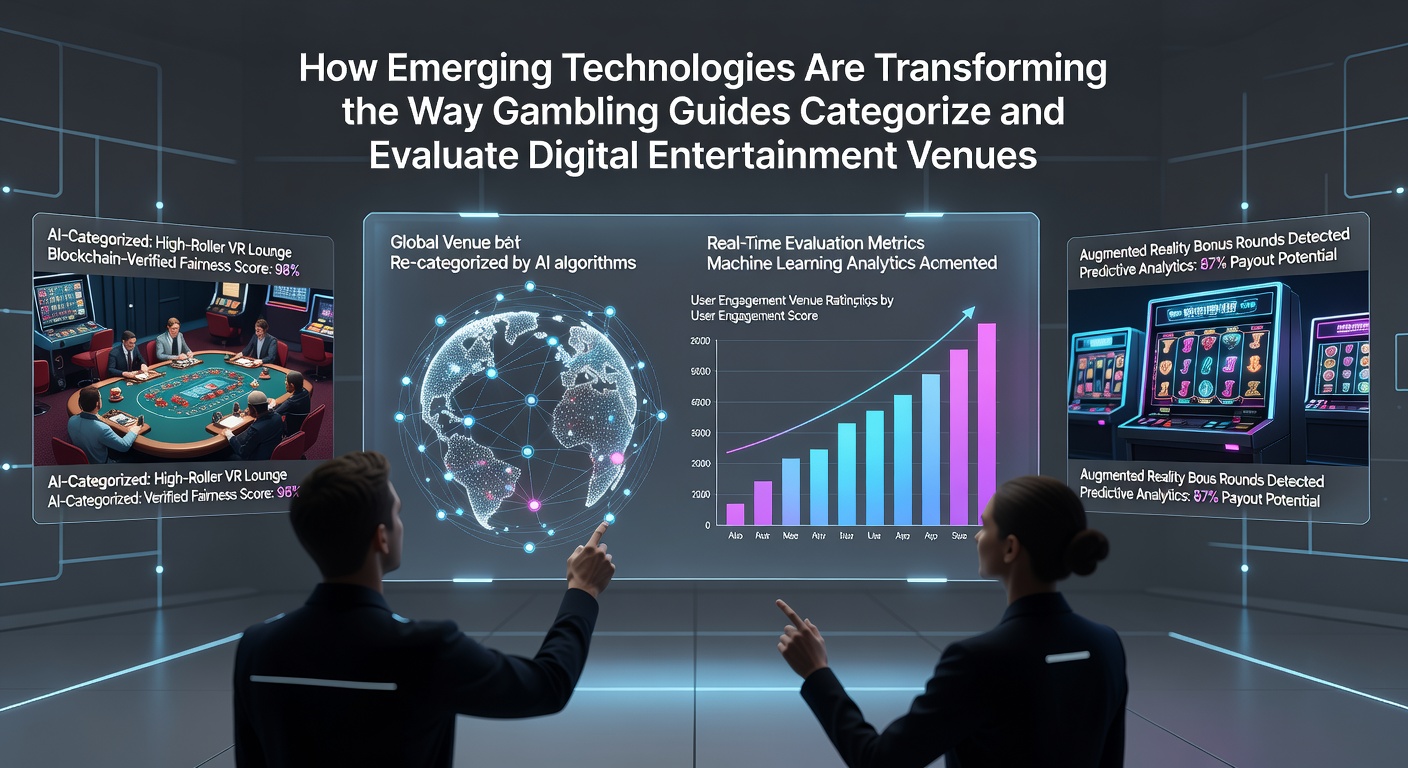
Digital entertainment venues continue to evolve at a rapid pace, and gambling guides have adapted their methods for sorting and rating these platforms accordingly. Researchers and industry analysts have noted that tools powered by artificial intelligence and advanced data processing now allow guides to process vast amounts of performance metrics in real time, which shifts how venues get grouped into categories like high-volume slots hubs or live-streaming specialists.
Guides once relied on manual checks and static lists, yet the introduction of machine learning models has changed that workflow entirely. These systems scan thousands of user interactions, payout records, and interface updates simultaneously, then assign venues to updated tiers based on patterns that emerge from the data streams. Observers note this approach reduces the time between a venue launch and its placement in relevant rankings, often completing initial evaluations within days instead of weeks.
AI-Driven Categorization Systems
Artificial intelligence helps gambling guides break down venues by specific attributes such as game variety, payment speed, and regional licensing details. Algorithms trained on historical review data can flag platforms that match certain player preferences, for example separating those focused on mobile-first experiences from others emphasizing desktop stability. This process draws from continuous inputs collected across multiple markets, which means categories refresh automatically when new trends appear in player behavior logs.
One study released by the University of Nevada, Reno in early 2026 highlighted how these models improved accuracy in venue matching by cross-referencing transaction volumes with session duration statistics. Guides using the technology reported fewer misclassifications, particularly for newer entrants that blend elements of social gaming and traditional betting formats. The same research pointed out that AI tools also track regulatory changes across jurisdictions, automatically moving venues into compliance-focused categories when licensing updates occur.
Real-Time Analytics and Evaluation Metrics
Data analytics platforms now feed gambling guides with live dashboards that monitor everything from server uptime to customer support response times. Evaluators combine these feeds with player feedback aggregates to produce scores that adjust throughout the month rather than remaining fixed after a single review cycle. This dynamic method lets guides reflect current conditions, such as spikes in traffic during major sporting events or seasonal promotions that affect overall venue performance.

Figures from the European Gaming and Betting Association show that venues evaluated through these integrated systems saw faster identification of operational issues in the first quarter of 2026. Analysts attribute the improvement to predictive algorithms that forecast potential disruptions based on early warning signals in the data. Guides therefore update their evaluations with greater frequency, often publishing revised assessments mid-month when significant shifts appear in the metrics.
Virtual and Augmented Reality Integration
Virtual reality environments have started influencing how guides describe and rate immersive venue features. Review teams can now enter simulated casino spaces to test navigation flow, visual quality, and interactive elements without traveling to physical locations. This capability expands evaluation criteria to include technical aspects like latency rates and hardware compatibility, which matter to players seeking high-end experiences.
Guides have begun adding dedicated VR-ready sections to their directories, placing venues that support these technologies in separate rankings. Data collected during May 2026 showed increased adoption of augmented reality overlays for table games, prompting several major review sites to introduce new subcategories focused on hybrid digital-physical interfaces. These additions help players locate venues that align with their preferred level of immersion.
Blockchain and Cloud Infrastructure Impacts
Cloud-based hosting solutions enable gambling guides to access centralized data repositories that aggregate performance information across multiple operators. This infrastructure supports more granular comparisons between venues operating in different regions, including variations in game libraries and bonus structures. Evaluators use these shared resources to maintain consistent standards while accounting for local market differences.
Although direct blockchain verification methods fall outside the scope of traditional guide assessments, the underlying distributed ledger systems have improved record-keeping for transaction histories. Guides incorporate these transparent logs into their evaluation frameworks when assessing payout reliability and audit trails, which adds another layer to existing verification processes.
Conclusion
Emerging technologies continue to reshape the tools available to gambling guides, allowing more precise categorization and ongoing evaluation of digital entertainment venues. AI models, real-time analytics, and immersive testing environments provide the foundation for these changes, while cloud resources and enhanced data sharing keep the systems scalable across global markets. As these capabilities mature, guides maintain their role as information sources by integrating the latest processing methods into established review practices.