How Expanding Flight Networks Transform Access Patterns to Southeast Asia's Premium Gaming Destinations
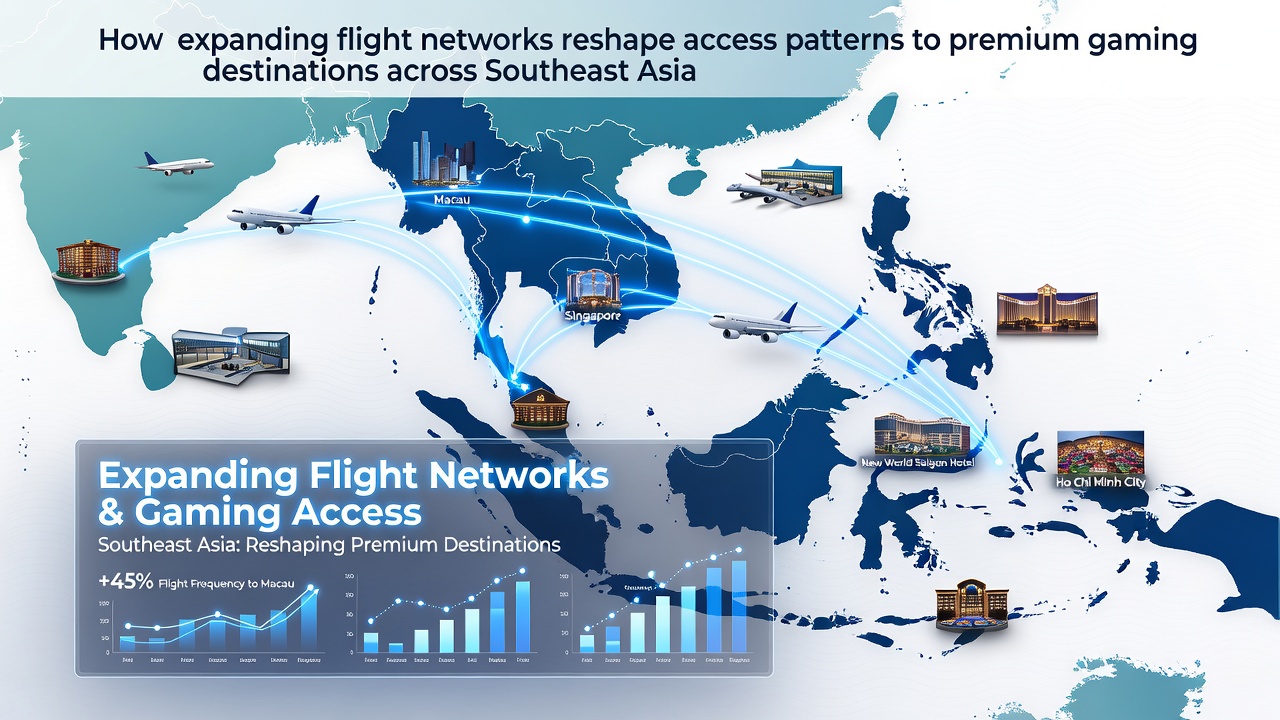
Expanding flight networks across Southeast Asia have altered how travelers reach premium gaming destinations, with new routes and increased frequencies connecting secondary cities directly to casino hubs in Macau, Singapore, and the Philippines. Data from regional aviation authorities shows that direct flight options grew by 18 percent between 2024 and 2026, reducing reliance on traditional gateway airports like Hong Kong and Bangkok.
Airlines added services from cities such as Hanoi, Kuala Lumpur, and Jakarta to Macau International Airport, while low-cost carriers launched routes from regional centers in Vietnam and Indonesia to Clark International Airport near Manila. These changes shifted arrival patterns, with more visitors bypassing major transit points and arriving closer to resort properties.
Route Expansion and Regional Connectivity
Observers tracking aviation trends note that carriers including Scoot and Cebu Pacific introduced nonstop flights from Australian cities to Singapore Changi Airport, creating shorter travel times for players heading to Marina Bay Sands and Resorts World Sentosa. Meanwhile, Philippine Airlines expanded connections from Tokyo and Seoul to Clark, allowing direct access to integrated resorts without routing through Manila's primary terminal.
June 2026 figures from the Civil Aviation Authority of Singapore indicate a 12 percent rise in weekly flights from European secondary cities compared with the previous year. This growth coincided with new bilateral air service agreements between Singapore and several European nations, which eased slot restrictions at Changi and permitted additional frequencies during peak gaming seasons.
Shifts in Visitor Demographics and Arrival Patterns
Research compiled by tourism boards across the region reveals that shorter flight durations and direct routes attracted a broader range of visitors to premium gaming venues. Previously, access depended heavily on business-class connections through major hubs, yet newer networks enabled weekend trips from mid-tier cities in Japan, South Korea, and Australia.
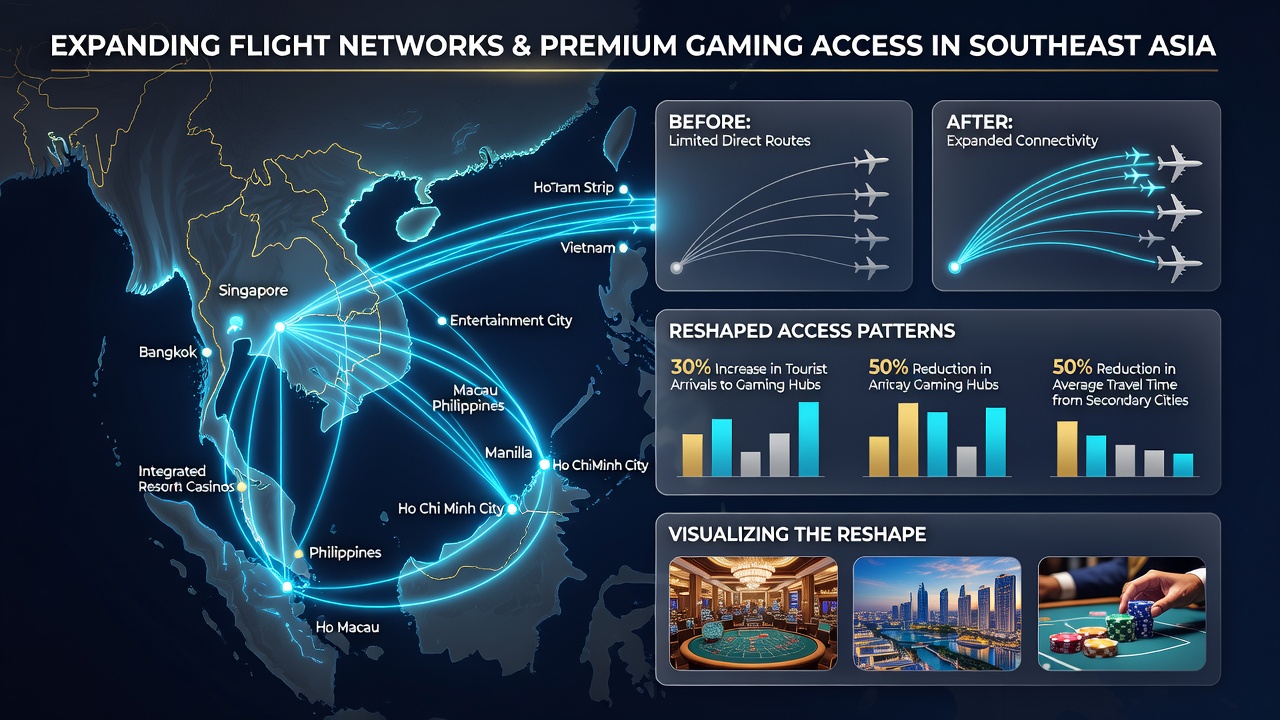
Passenger data at Macau International Airport shows increased arrivals from Chengdu and Chongqing after direct services resumed in early 2025. These routes reduced average travel time from inland China by several hours, leading to more frequent short-stay visits among regional players. Similar patterns emerged at Clark, where flights from Osaka and Fukuoka rose 15 percent year-over-year through May 2026.
Effects on Resort Operations and Capacity Planning
Resort operators adjusted staffing and marketing strategies in response to these evolving arrival patterns. Properties in Singapore reported higher occupancy from Australian and Japanese markets after direct flights increased, while Macau venues noted steadier weekday traffic from southern Chinese cities served by new connections. Industry reports indicate that integrated resorts expanded shuttle services from airports to accommodate the spread of arrival times throughout the day rather than concentrated evening peaks.
Those monitoring player movement patterns observe that direct flights also influenced spending behavior, with visitors allocating more time on-site because less energy went toward transit. Airport expansion projects in Clark and Macau supported these changes by adding dedicated arrival lounges and streamlined customs processes for resort guests.
Future Outlook for Air Access and Gaming Travel
Planned additions to regional flight networks include further services from India and the Middle East to Singapore and Manila, scheduled to begin in late 2026. These routes build on existing agreements and respond to rising demand from emerging source markets. Government aviation agencies in the Philippines and Vietnam have approved additional frequencies that will link secondary cities directly to gaming destinations without intermediate stops.
Studies conducted by university transport research groups in Australia and Singapore project continued growth in point-to-point connectivity through 2028, driven by fleet expansions among low-cost carriers. This development is expected to maintain pressure on resort operators to refine ground transportation and arrival experiences to match the dispersed flight schedules.
Conclusion
Expanding flight networks have produced measurable changes in how travelers reach premium gaming destinations across Southeast Asia. Direct routes, increased frequencies, and new bilateral agreements have redistributed arrival patterns and broadened the geographic reach of visitor markets. Data collected through June 2026 demonstrates that these aviation developments continue to influence resort planning and regional tourism flows in measurable ways.