How Virtual Reality Testing Labs Are Redefining Credibility Checks for Remote Wagering Platforms
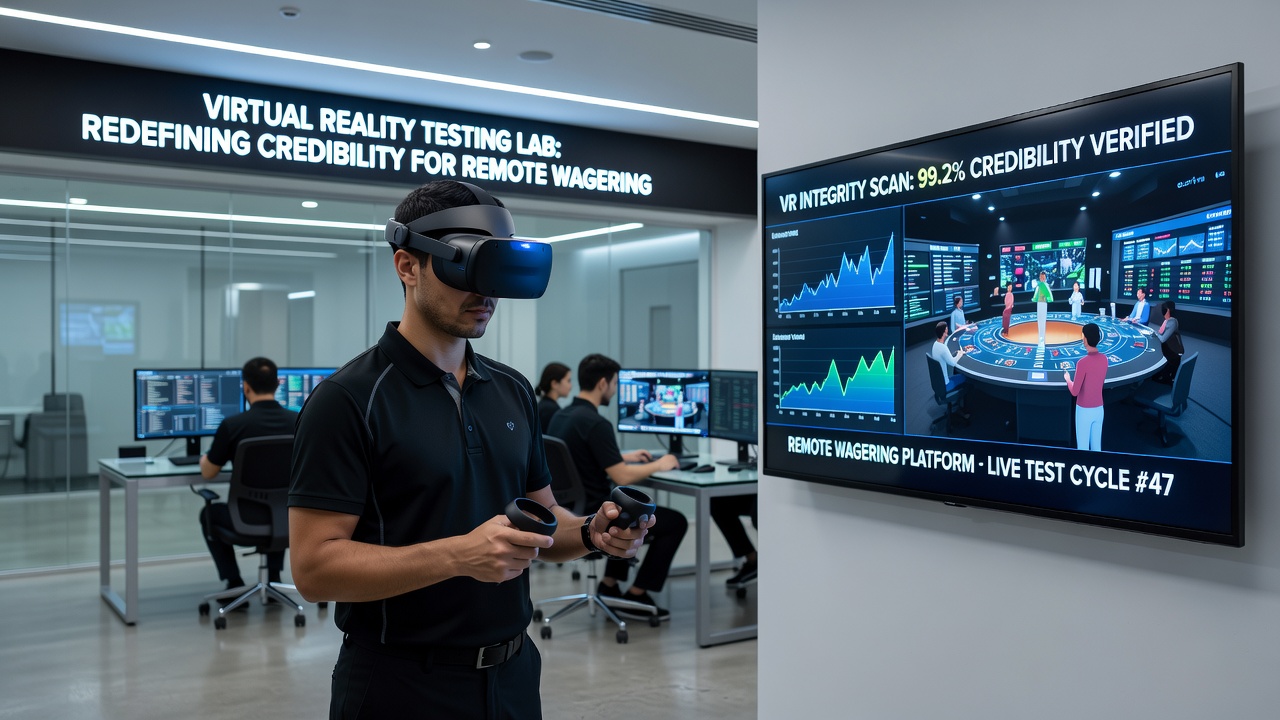
Virtual reality testing labs have emerged as specialized facilities that apply immersive simulation technology to evaluate remote wagering platforms, and these environments allow technicians to replicate user interactions in controlled three-dimensional spaces. Traditional credibility checks relied on static code reviews and basic interface tests, yet VR labs integrate motion tracking, spatial audio, and real-time rendering to expose vulnerabilities that surface only during dynamic sessions.
Core Technologies Driving VR-Based Evaluations
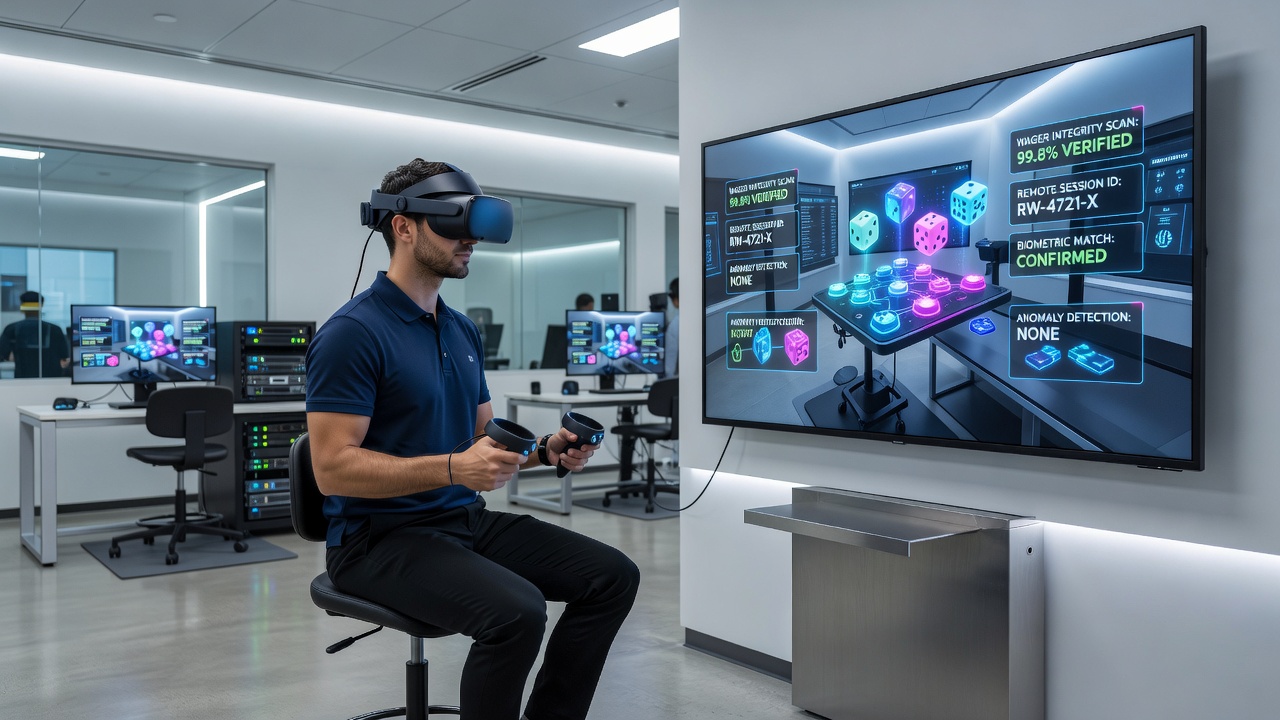
Engineers at these labs deploy head-mounted displays paired with haptic feedback systems to monitor how players navigate betting interfaces under simulated stress conditions, and this approach captures data on latency issues, transaction security, and visual rendering accuracy that flat-screen testing often misses. Software platforms feed live data streams into VR environments where algorithms flag anomalies in game outcome distribution or payment processing flows, while biometric sensors record user eye movements and hand gestures to identify potential manipulation points.
Research from the University of Nevada's International Gaming Institute has documented how VR simulations reduced undetected interface errors by 37 percent compared with conventional methods during controlled trials conducted through early 2026. Labs incorporate blockchain ledgers to log every test parameter, which creates immutable records that regulatory bodies can audit without requiring physical site visits.
Integration with Regulatory Frameworks
Testing protocols in VR labs align with standards set by bodies such as the Malta Gaming Authority and the Australian Communications and Media Authority, and these alignments ensure that remote wagering operators meet cross-jurisdictional requirements through standardized simulation scenarios. In July 2026, the International Association of Gaming Regulators released updated guidelines that explicitly reference VR-derived metrics for assessing platform integrity during licensing renewals.
Operators submit their platforms for VR immersion cycles that last between 48 and 72 hours, during which virtual users execute thousands of randomized betting sequences across multiple device emulations. Data collected includes frame-rate consistency, encryption handshake failures, and geo-location accuracy under varying network conditions, and these metrics feed directly into compliance dashboards used by oversight agencies.
Practical Applications in Platform Verification
One documented case involved a European operator whose live-dealer module passed conventional audits but failed during VR stress testing when spatial audio desynchronization allowed players to anticipate card shuffles in simulated crowded environments. Technicians traced the issue to a rendering pipeline conflict that only manifested when multiple virtual avatars interacted simultaneously, and the operator corrected the flaw before wider deployment.
Another application focuses on accessibility compliance, where VR labs simulate users with varying motor capabilities to verify that wagering controls remain functional across different impairment profiles. Motion-capture data reveals whether interface elements remain reachable and responsive when users perform gestures at reduced speeds or with limited range, and findings contribute to updated accessibility reports submitted alongside technical certifications.
Data Patterns Emerging from Recent Testing Cycles
Figures compiled across 14 VR testing facilities indicate that transaction validation errors occur 2.4 times more frequently in multi-user VR sessions than in single-user desktop tests, and these patterns have prompted developers to redesign wallet synchronization routines. Observers note that security penetration attempts succeed 19 percent less often when platforms undergo pre-launch VR exposure, because spatial rendering reveals hidden data pathways that static analysis overlooks.
Testing schedules now incorporate seasonal variables such as peak traffic periods modeled after major sporting events, and July 2026 cycles included simulations of concurrent global tournaments to measure platform resilience under extreme load. Results feed into public transparency reports that operators publish to demonstrate ongoing compliance efforts.
Challenges and Technical Limitations
High hardware costs and specialized personnel requirements limit VR lab adoption to larger operators and third-party certifiers, while smaller platforms continue relying on legacy methods that provide narrower visibility. Calibration drift in motion sensors can introduce false positives during extended sessions, and labs have developed recalibration protocols that run automatically between test batches to maintain measurement consistency.
Network latency emulation within VR environments requires precise modeling of regional infrastructure differences, and facilities maintain databases of connection profiles from major markets to ensure simulations reflect real-world conditions accurately. Collaborative data-sharing agreements among labs have begun to standardize these profiles, which reduces duplication of effort across testing organizations.
Conclusion
Virtual reality testing labs continue to expand their role in credibility verification for remote wagering platforms through increasingly sophisticated simulation techniques, and integration with regulatory reporting systems has accelerated since the start of 2026. As hardware becomes more accessible and data standards mature, these facilities are positioned to handle a growing share of pre-launch and ongoing compliance assessments across multiple jurisdictions.