Player Behavior Shifts in Response to Algorithmic Recommendation Systems Within Online Gaming Hubs
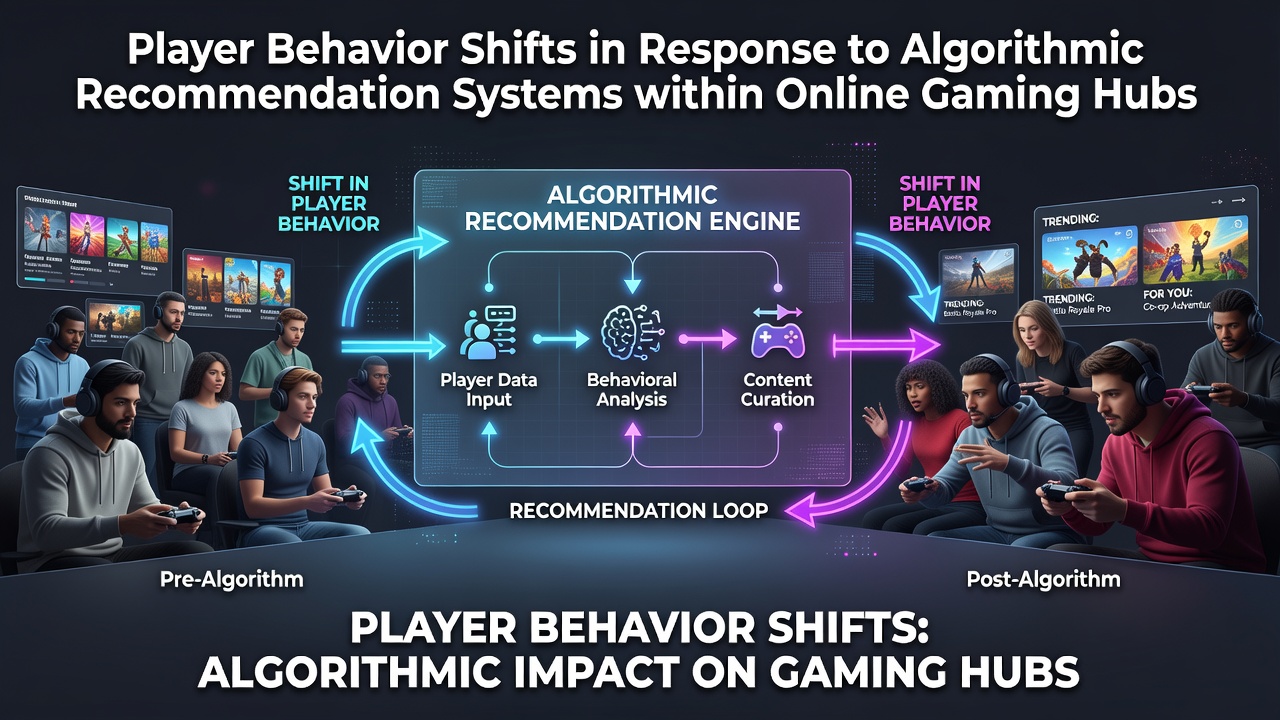
Algorithmic recommendation systems have become central to how players discover and engage with games on major platforms, and data compiled through July 2026 shows measurable changes in session lengths, genre preferences, and purchasing patterns. Platforms such as Steam, Xbox Game Pass, and mobile storefronts rely on machine learning models that analyze play history, social connections, and time-of-day activity to surface titles, which in turn influences what millions of users choose next.
Mechanics Behind Current Recommendation Models
Modern systems process large datasets that include past playtime, wishlist additions, friend activity, and even mouse movement patterns within store interfaces, then generate ranked lists that appear on home screens and in notification feeds. Researchers at several academic institutions have documented how these models prioritize titles with high retention metrics, creating feedback loops where popular games receive more visibility and accumulate additional play hours as a result.
According to industry reports from the Entertainment Software Association, recommendation-driven traffic accounted for over 35 percent of game launches on PC platforms during the first half of 2026. The same reports note that players exposed to personalized lists spent an average of 22 percent more time in recommended titles compared with self-searched games during the same period.
Documented Changes in Session and Genre Patterns
Longitudinal telemetry collected by platform operators reveals that users who interact heavily with recommendation carousels exhibit narrower genre distributions over successive months. Action-adventure and battle-royale titles dominate suggested lists on many services, and aggregate data indicates a corresponding drop in hours logged for strategy, simulation, and indie puzzle games outside those categories.
One study tracking European users found that the share of total playtime devoted to algorithmically promoted games rose from 41 percent in late 2024 to 57 percent by July 2026. Players in the tracked cohort also showed a 14 percent reduction in the number of distinct genres sampled per quarter, suggesting consolidation around a smaller set of experiences.
Effects on Discovery and Purchasing Decisions
Discovery of smaller or niche titles has shifted as well. Developers of independent games report that organic visibility without algorithmic promotion now requires substantially higher marketing spend to reach comparable download numbers. Meanwhile, conversion rates from recommendation panels to purchase remain higher than those from search or external links, according to figures released by several storefront analytics providers.

Observers tracking mobile gaming hubs note parallel trends. Push notifications tied to personalized offers generate click-through rates between 8 and 12 percent, while non-personalized campaigns average below 4 percent. These differences translate into measurable revenue concentration among titles already favored by the underlying models.
Regional Variations Observed in 2026 Data
Patterns differ across geographic markets. North American users display higher responsiveness to social-graph recommendations, whereas players in East Asia show stronger reactions to time-limited event promotions surfaced by the same systems. Australian regulatory filings from mid-2026 indicate that local operators adjusted recommendation weightings after observing elevated spend among users under 25 who received repeated prompts for in-app purchases.
Cross-border comparisons compiled by academic consortia further reveal that session length increases are most pronounced in regions where broadband infrastructure supports extended play, while mobile-dominant markets record higher rates of app switching when recommendations fail to match immediate preferences.
Platform Adjustments and Player Adaptation
Platform operators have introduced transparency features such as “why this game was recommended” labels in response to user feedback and regulatory scrutiny. Early data from these rollouts shows modest increases in manual overrides, where players deliberately explore outside suggested lists. Yet overall engagement metrics continue to favor algorithmically guided navigation.
Those who study player retention note that some cohorts have begun employing external tools or browser extensions to bypass default recommendation surfaces, though such behavior remains a minority practice. At the same time, developers have adapted by designing games with mechanics that align with common algorithmic signals, such as frequent short sessions or social sharing prompts, to improve placement odds.
Conclusion
Telemetry gathered through July 2026 demonstrates that algorithmic recommendation systems continue to reshape how players allocate time and money across online gaming hubs. Narrower genre exposure, elevated session lengths within promoted titles, and concentrated purchasing activity represent measurable outcomes tracked across multiple platforms and regions. As models evolve and new transparency measures appear, ongoing data collection will clarify whether these shifts stabilize or undergo further modification in response to both technical updates and player behavior.