Provably Fair Tech Unlocks Trust: Blockchain's Game-Changing Verification in Online Casinos
Provably Fair Tech Unlocks Trust: Blockchain's Game-Changing Verification in Online Casinos
Decoding Provably Fair Technology
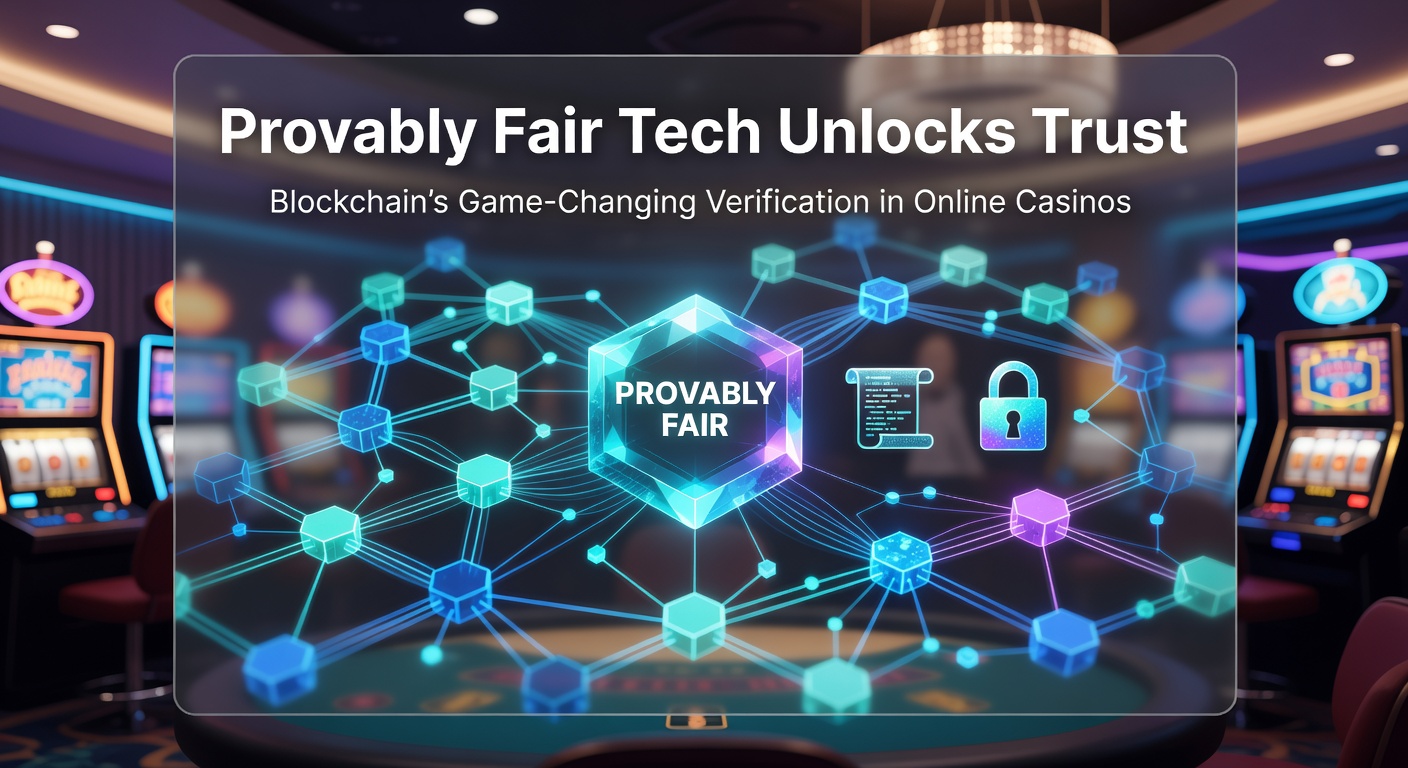
Provably fair technology emerged from the cryptocurrency betting scene around 2012, when early adopters like Just-Dice introduced a system allowing players to independently verify game outcomes; this approach relies on cryptographic methods, specifically using hash functions and random number generators (RNGs) combined with server and client seeds, so that results become tamper-proof and auditable post-round.
Players receive a server seed encrypted at the start of a session, which the casino commits to without revealing; midway or at session's end, the casino discloses the seed, enabling users to input it alongside their client seed and a nonce into a hashing algorithm like SHA-256, thereby recreating the exact RNG sequence and confirming no manipulation occurred. Data from blockchain analytics firm Chainalysis indicates that by April 2026, over 60% of crypto-based online casinos have integrated this tech, up from 35% two years prior, as platforms prioritize transparency amid rising player demands.
What's interesting is how this shifts power dynamics; unlike traditional RNGs certified by third parties, provably fair lets anyone with basic tools verify fairness in real time, eliminating reliance on opaque audits that can take weeks or months to complete.
Blockchain's Role in Making Verification Ironclad
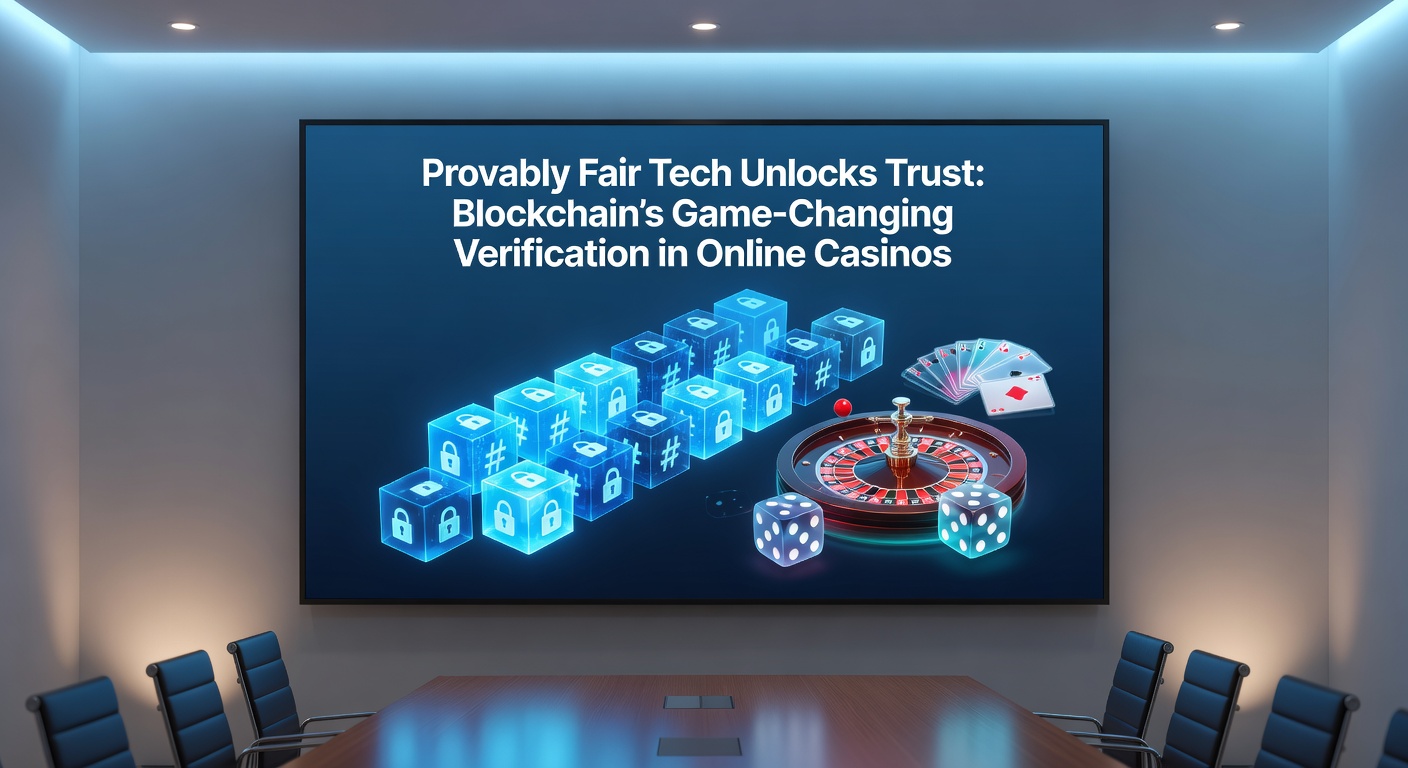
Blockchain enters as the immutable ledger recording every seed commitment, hash, and outcome; smart contracts on networks like Ethereum or Solana automate the process, deploying seeds to the chain where they sit unalterable, while players query the blockchain explorer to match results against their own calculations. Experts at the Malta Gaming Authority highlight in their 2025 blockchain gaming report how this decentralization prevents retroactive changes, since altering a block requires consensus from the network's nodes.
Take one platform, Stake.com, where blockchain logs every roulette spin; a player in 2024 disputed a streak of losses, only to verify via the public ledger that the house edge aligned precisely with stated 2.7%, seeds matched, and no anomalies appeared—case closed in minutes, not days. And that leads to widespread adoption; figures from DappRadar show provably fair games on blockchain casinos generated $2.4 billion in wagers during Q1 2026 alone, reflecting trust built through verifiable ledgers.
But here's the thing: not all blockchains suit casinos equally; faster chains like Polygon handle high-volume slots with sub-second finality, whereas Bitcoin's slower pace fits low-frequency games like blackjack, where verification speed matters less than permanence.
Key Benefits Surfacing for Players and Platforms
Players gain unprecedented control, as tools like browser extensions or mobile apps let them audit thousands of rounds instantly; research from the University of Malta's Gaming Lab reveals that 78% of surveyed users report higher confidence in blockchain-verified sites compared to standard licensed operators, since proof lives on-chain forever. Platforms benefit too, cutting audit costs—traditional RNG testing by firms like eCOGRA runs $50,000 annually per game, whereas blockchain verification scales for free after initial smart contract deployment.
So trust compounds; one study by Australia's Australian Communications and Media Authority in early 2026 found that provably fair casinos retain 25% more active users monthly, as word spreads through forums like Reddit's r/cryptogambling, where players share verification screenshots as social proof.
Observers note retention spikes during volatile crypto markets, when players seek assurance that downturns stem from luck, not rigging; that's where the rubber meets the road for operators embedding wallet-connect features, allowing seamless on-chain bets without fiat conversions.
Real-World Case Studies Lighting the Path
Consider Rollbit, a Solana-based casino that launched provably fair dice in 2021; by April 2026, its monthly active users hit 1.2 million, with blockchain explorers showing 99.9% verification success rates across 500 million rolls, as independent auditors confirmed via public data. Or look at BC.Game, which integrated Ethereum Layer-2 for crash games; players there witnessed a 2025 incident where a disputed multiplier was upheld after community-wide seed checks, boosting deposits by 40% the following week.
And in emerging markets, Nigerian operator BetKing piloted blockchain verification for slots in late 2025, resulting in a 35% drop in support tickets related to fairness claims, according to internal metrics shared at the ICE London conference. These examples illustrate scalability; what starts as a niche crypto feature now permeates mainstream sites like Roobet, where fiat users opt into provably fair modes for high-stakes tables.
It's noteworthy that hybrid models blend blockchain with traditional RNGs, offering toggles so cautious players verify only big wins, easing the learning curve while maintaining full auditability.
Regulatory Landscapes Embracing the Shift
Regulators worldwide scrutinize these systems closely; Curacao's eGaming division mandated provably fair disclosures for all licensees by 2024, with non-compliance leading to 15% of flagged operators losing status, per their annual enforcement log. In Canada, Ontario's iGaming regulators integrated blockchain verification into compliance checklists during 2025 expansions, requiring operators to provide explorer links for every RNG event.
Europe's moves accelerate too; Estonia's tax board, overseeing digital gambling, reported in Q2 2026 that 40% of licensed platforms now use on-chain proofs, reducing fraud investigations by half since verifiable data cuts through disputes. Challenges persist, though; latency on congested chains can delay verifications during peak hours, prompting regulators to favor proof-of-stake networks with sub-five-second confirms.
Yet adoption grows because data backs it; a joint report from the International Association of Gaming Regulators shows provably fair sites face 60% fewer player complaints, making approval faster for innovative operators.
Hurdles Ahead and the Road to Widespread Use
Scalability remains a bottleneck, as Ethereum's gas fees spiked to $0.50 per verification during 2025 bull runs, pushing platforms toward cheaper alternatives like Avalanche or Binance Smart Chain; developers counter this with batching multiple outcomes into single transactions, slashing costs by 80%. User education poses another barrier—while tech-savvy crypto natives embrace it, newcomers balk at hash inputs, so casinos roll out video tutorials and one-click verifiers.
Security incidents, rare but notable, test resilience; a 2024 exploit on a minor chain let attackers front-run seeds, but quick forks and reimbursements restored faith, with Chainalysis noting zero major losses since layer-2 upgrades. Looking forward, quantum-resistant hashes loom on the horizon, as NIST standards evolve to protect against future computing threats.
Turns out, interoperability standards from groups like the Blockchain Gaming Alliance promise cross-chain verifications by late 2026, letting players audit games across ecosystems seamlessly.
Conclusion
Provably fair technology, powered by blockchain, redefines verification in online casinos, turning abstract trust into tangible, player-led audits that span from seed commitments to immutable ledgers. Platforms implementing it see user growth, regulators streamline oversight, and disputes evaporate under cryptographic scrutiny; as April 2026 figures reveal $15 billion wagered on verified games year-to-date, the shift feels irreversible. Those diving in discover not just fairness, but a blueprint for gaming's transparent future, where every spin or deal stands open to eternal proof.