Shifting Player Loyalty Patterns Through Adaptive Loyalty Programs in Niche Digital Betting Platforms
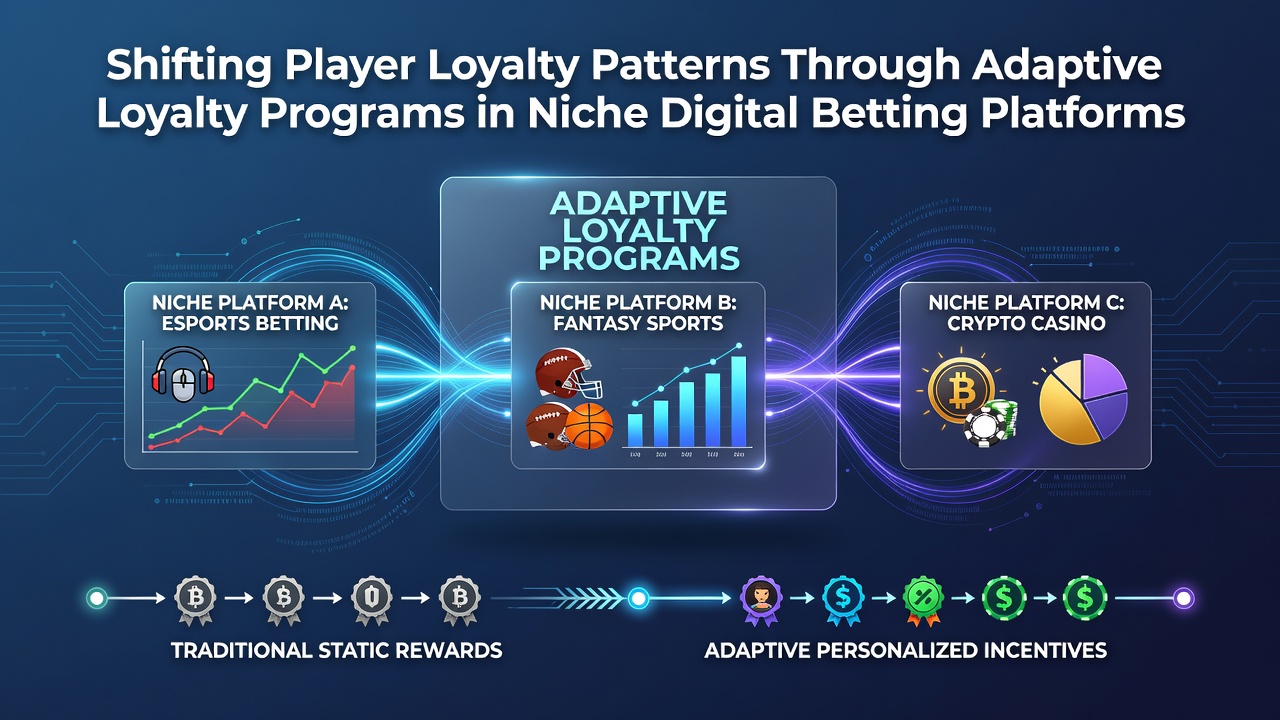 Niche digital betting platforms have developed specialized loyalty programs that adjust rewards based on individual player behavior and preferences, leading to measurable changes in how participants maintain long-term engagement across these services. Data collected through industry tracking systems indicates that these adaptive systems respond to betting frequency, game type selections, and session durations rather than applying uniform point structures used in broader market operators. Researchers monitoring platform analytics have noted that loyalty metrics shift when programs incorporate machine learning elements to predict and deliver personalized incentives at specific intervals during user activity.
Patterns in Player Retention Data
Studies of retention rates across segmented betting environments reveal that participants in niche platforms demonstrate higher continuity when loyalty mechanics update in response to real-time inputs, whereas fixed reward tiers show steadier attrition after initial signup periods. Figures from platform operators in June 2026 highlighted increased session returns among users whose reward structures adapted to seasonal betting trends and regional event calendars. Observers tracking these movements point to variables such as deposit timing adjustments and bonus unlocking sequences as key drivers that differentiate retention outcomes between standard and niche environments.
Technical Components of Adaptive Systems
Adaptive loyalty frameworks rely on data pipelines that integrate user account history with external signals including market fluctuations and competitor promotions, allowing platforms to recalibrate offers without manual intervention. These systems employ algorithms that categorize players into dynamic segments based on recent activity clusters, then trigger tiered benefits accordingly. Industry reports compiled through 2026 document how such automation reduces the lag between behavioral changes and reward delivery, which in turn correlates with sustained account activity levels across specialized betting verticals like esports or regional sports derivatives.
Regional Variations and Platform Examples
Platforms operating in distinct geographic markets have implemented variations of these programs tailored to local regulatory environments and cultural betting preferences, resulting in differentiated loyalty trajectories. One documented case involved operators in the Asia-Pacific region adjusting reward multipliers during major tournament windows, while European counterparts focused on compliance-linked incentives tied to responsible play thresholds. According to findings released by the American Gaming Association, cross-border data comparisons show that niche platforms adopting these responsive models experience steadier user bases compared to those maintaining static structures, particularly when external economic factors influence disposable income patterns.

Influence of External Data Sources
Integration of third-party datasets from payment processors and regulatory filings enables these programs to anticipate churn risks and deploy preemptive retention measures. Analysts reviewing transaction logs from multiple jurisdictions note that loyalty adjustments triggered by deposit velocity changes produce measurable upticks in repeat engagement within narrow interest communities. The approach differs from mass-market strategies because it prioritizes depth within specific player cohorts rather than broad acquisition campaigns, leading to loyalty patterns that evolve more rapidly in response to platform updates or external events.
Measurement Frameworks Used in 2026
Evaluation methodologies applied by platform developers in mid-2026 incorporate metrics such as lifetime value projections adjusted for adaptive reward costs alongside traditional retention percentages. These frameworks draw on longitudinal user datasets to isolate the effects of personalized interventions from broader market influences. Research compiled through academic partnerships, including work referenced by the Australian Institute of Criminology, underscores how granular tracking of loyalty program interactions reveals correlations between adaptive timing and reduced migration to competing services.
Future Trajectories for Niche Operators
Platform operators continue refining these systems by incorporating additional variables like device usage patterns and community interaction signals to further customize loyalty pathways. The resulting shifts in player behavior demonstrate that targeted adaptability within niche segments produces retention outcomes distinct from those observed in generalized betting environments, with ongoing data collection supporting iterative program enhancements through the remainder of 2026.
Conclusion
Adaptive loyalty programs in niche digital betting platforms have restructured retention dynamics through responsive reward mechanisms that align with individual activity profiles. Evidence gathered across multiple markets in 2026 confirms these systems generate distinct loyalty trajectories compared to conventional approaches, driven by technical integration of behavioral data and external indicators. Continued monitoring of these patterns provides operators with actionable insights into sustaining engagement within specialized betting communities.