Sound Design Choices and Their Correlation With Extended Play Sessions in Online Gaming Environments
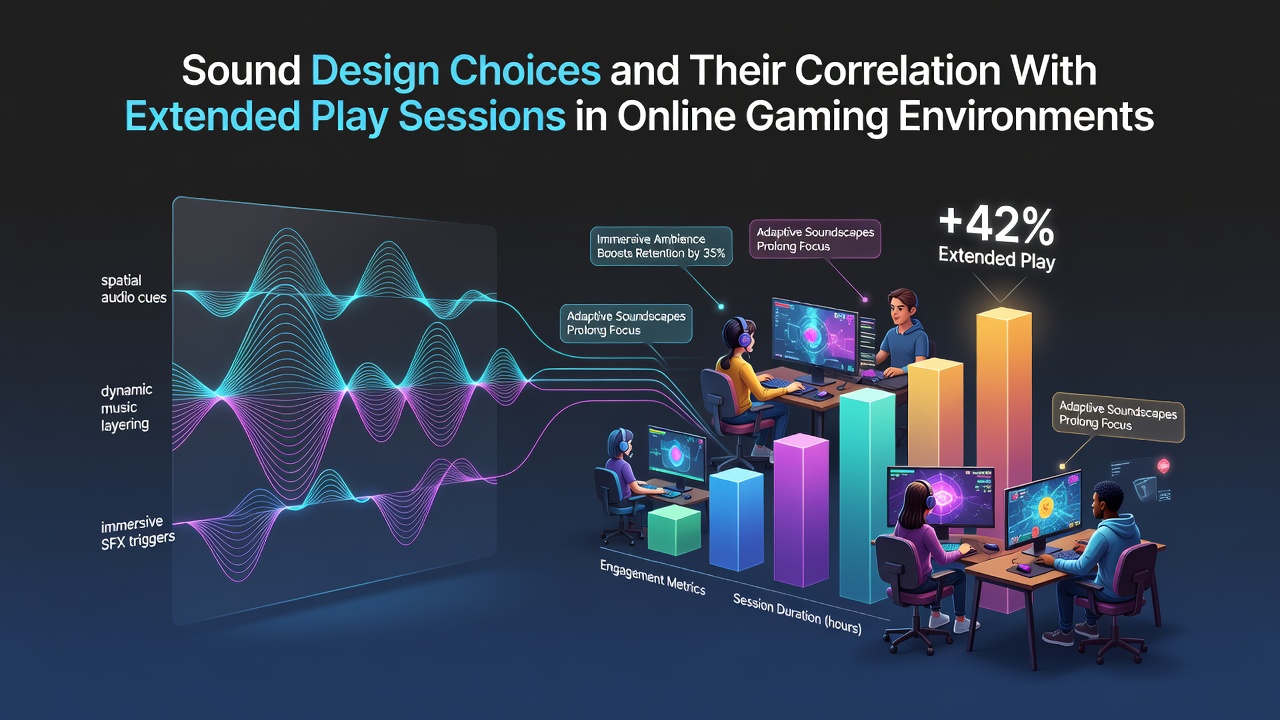
Sound design in online gaming environments shapes how players interact with virtual worlds, and researchers continue to examine its ties to session length across multiple platforms. Audio elements such as layered ambient tracks, responsive feedback cues, and adaptive music systems create conditions that encourage continued participation, according to data collected from large-scale player analytics firms in 2025 and early 2026.
Core Components of Game Audio Systems
Developers select specific sound categories that include environmental effects, character vocalizations, interface notifications, and dynamic scoring, and each category operates through separate technical pipelines that sync with game engines in real time. Environmental layers often feature procedural generation that shifts based on player location or time-of-day cycles, while interface sounds deliver immediate confirmation for actions like inventory management or skill activation, and these choices appear in titles released throughout 2025 and into July 2026.
Patterns Observed in Player Retention Data
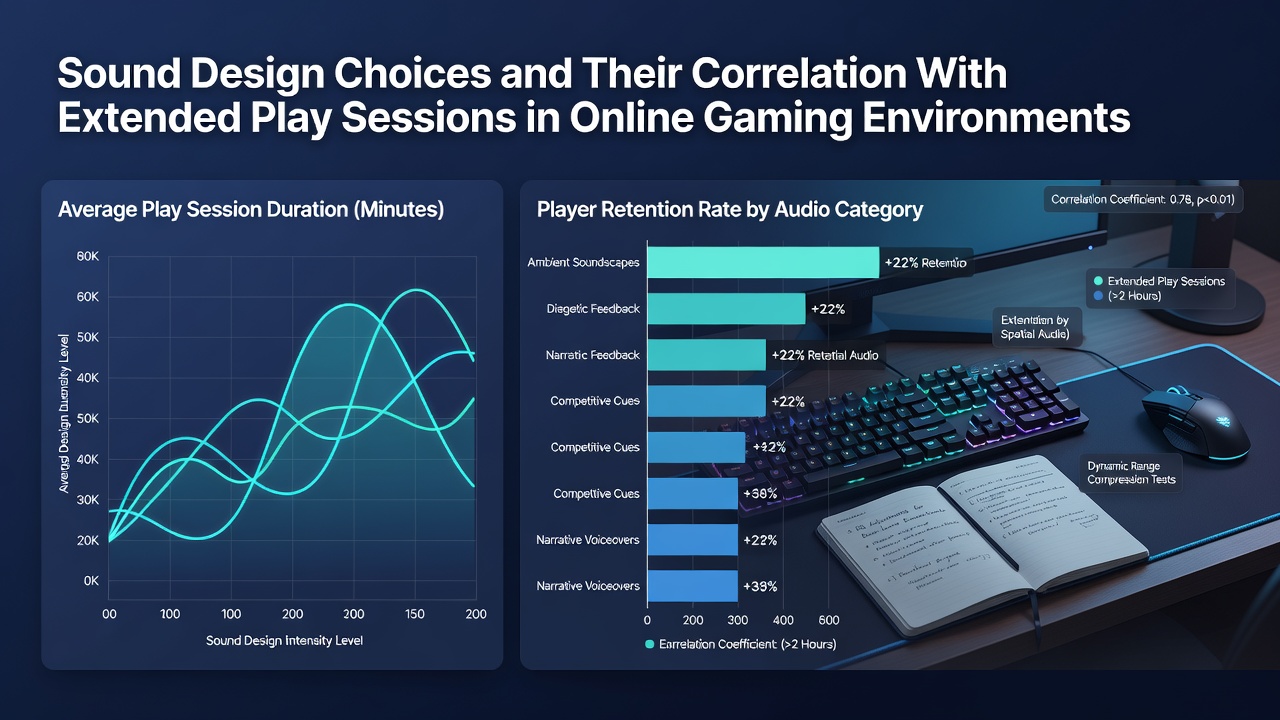
Analytics platforms tracking millions of accounts report that sessions extend when audio remains consistent yet varied, and one industry report released in July 2026 by the Entertainment Software Association highlighted average play durations increasing by measurable margins in environments with spatial audio implementation compared with earlier stereo-only builds. Players remain engaged longer when sound cues align with visual events without repetition, and data sets from European and North American servers show similar trends across genres from competitive shooters to cooperative role-playing experiences.
Studies conducted at institutions including the University of Melbourne have documented how players respond to frequency ranges and volume curves, and findings indicate that carefully calibrated low-frequency effects sustain attention during exploration phases while higher-frequency alerts prompt quicker reactions during combat sequences. These adjustments reduce auditory fatigue that might otherwise prompt earlier exits from sessions.
Technical Implementation Across Major Titles
Leading engines such as Unreal and Unity provide toolsets that allow sound designers to attach parameters to game states, and developers at studios working on persistent online worlds apply these tools to create music that modulates intensity according to proximity of threats or number of active participants in an instance. In one documented case from a major multiplayer title updated in spring 2026, the introduction of context-aware voice lines for non-player characters coincided with a recorded uptick in average daily time spent per account on servers in Asia-Pacific regions.
Regional differences also surface in how audio settings influence behavior, and reports from Canadian research groups note that players who customize volume sliders for music versus effects often maintain longer sessions when they retain control over the mix. This customization correlates with reduced reports of sensory overload in extended play windows tracked through telemetry logs.
Measurement Methods and Recent Findings
Telemetry systems log login timestamps, logout events, and concurrent audio asset usage, and cross-referencing these logs with sound design documentation allows analysts to isolate variables such as music loop length or reverb settings. A collaborative project involving academic teams from Sweden and Australia released preliminary results in July 2026 showing positive associations between adaptive audio layers and session durations exceeding two hours, particularly in games that maintain consistent acoustic themes across large open-world maps.
Hardware variations further complicate the picture, because players using surround-sound headsets or calibrated speaker arrays receive spatial positioning data that flat stereo outputs cannot replicate, and platform holders have noted corresponding differences in engagement metrics when comparing these setups during the first half of 2026.
Conclusion
Sound design choices continue to demonstrate measurable connections to session length in online gaming environments, and ongoing data collection from regulatory bodies, academic centers, and industry groups supplies the evidence base for these patterns. As engines and middleware evolve, the specific parameters that support sustained participation receive continued scrutiny through telemetry analysis and controlled observation studies.