Tracing Cryptocurrency Adoption Footprints Across Modern Gambling Platform Directories
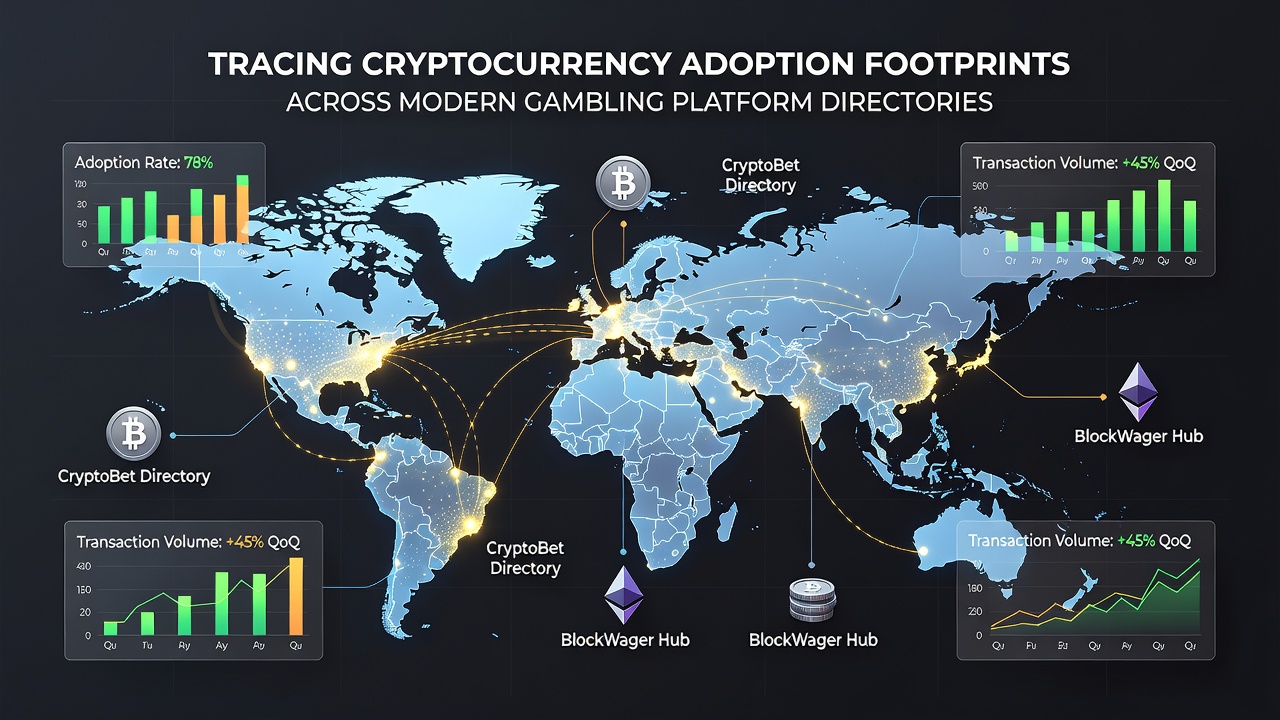
Directories that catalog online gambling platforms have become key resources for tracking how cryptocurrency payments appear across sites, and observers note that listings now frequently highlight bitcoin, ethereum, and other digital asset options alongside traditional methods. These platforms organize data by payment type, which allows patterns to emerge when users sort through rankings or filter results by accepted currencies, and data from multiple regions shows steady growth in crypto-enabled entries since early 2025.
Early Markers in Directory Listings
Platform directories began incorporating dedicated filters for cryptocurrency support around 2023, and researchers at institutions tracking digital finance observed that the number of entries mentioning bitcoin or stablecoins increased by over 40 percent within two years. Those who monitor these catalogs point out that tags such as "instant withdrawals" or "low-fee crypto deposits" now appear more often in review summaries, while older listings that once focused solely on credit cards or e-wallets gradually added blockchain-based alternatives without removing prior options.
One study compiled by academic groups in Australia found that directories serving Asia-Pacific users listed nearly twice as many crypto-focused sites compared wth directories aimed at North American audiences during the same period, and this geographic split reflects differing regulatory environments that either encourage or restrict digital asset use in betting. Figures released in mid-2026 indicate that adoption markers continue to spread, yet the pace varies depending on whether a directory targets regulated markets or offshore operators.
Patterns Revealed Through Search and Filter Tools
Modern directories equip users with advanced search functions that isolate platforms accepting specific cryptocurrencies, and analysts who examine these tools report that queries for "USDT" or "litecoin" return results clustered around certain software providers known for integrating blockchain ledgers. When users apply multiple filters simultaneously, such as combining cryptocurrency support with live dealer games or particular bonus structures, the resulting datasets expose clusters of platforms that adopted digital payments earlier than their competitors.
Data indicates that directories serving European audiences recorded a noticeable uptick in listings featuring proof-of-reserves statements during the first half of 2026, while similar catalogs in Latin America showed stronger emphasis on mobile wallet compatibility. These differences arise because directory operators adapt their categorization methods to local player preferences, and the resulting footprints allow researchers to map which regions embraced cryptocurrency transactions more rapidly than others.
July 2026 Updates and Regional Shifts
By July 2026 several major directories had refreshed their databases to include new tags for layer-two blockchain solutions that reduce transaction costs, and reports from industry organizations such as the International Betting Integrity Association documented that these updates coincided with increased listings from operators in Southeast Asia. Observers tracking these changes note that directories covering Canadian markets added sections on tax implications for crypto winnings, whereas directories focused on Australian users highlighted compliance with local financial reporting rules.
Cross-referencing multiple directories reveals that platforms accepting a wider variety of altcoins tend to appear higher in rankings when users sort by payment speed, and this positioning influences how adoption footprints become visible over time. Researchers who aggregate data across catalogs have identified that the average number of supported cryptocurrencies per listed site rose from three in 2024 to five by July 2026, although the distribution remains uneven across different regulatory jurisdictions.
Methodologies Used to Document These Footprints
Directory teams employ automated crawlers alongside manual verification to confirm which payment methods remain active on each platform, and this dual approach produces reliable snapshots that researchers later use to trace adoption curves. When inconsistencies appear between directory data and on-site information, editors typically update entries within days, which keeps the overall map of cryptocurrency integration accurate for those studying trends.
Academic papers examining these practices often reference datasets drawn from directories operating in multiple languages, and such multilingual coverage helps identify whether adoption occurs first among English-language sites or spreads through regional language portals. The resulting timelines show that crypto integration frequently begins with bitcoin deposits before expanding to include stablecoins that mitigate volatility concerns for both operators and players.
Conclusion
Directories continue to function as living archives that record how cryptocurrency options embed themselves into gambling platforms worldwide, and the footprints they preserve offer measurable evidence of shifting payment ecosystems. Continued updates through 2026 and beyond will likely refine these records further as new blockchain technologies emerge and directory operators adjust their categorization frameworks accordingly.