Tracing the Evolution of User Interface Designs and Their Impact on Session Durations in Virtual Casino Environments
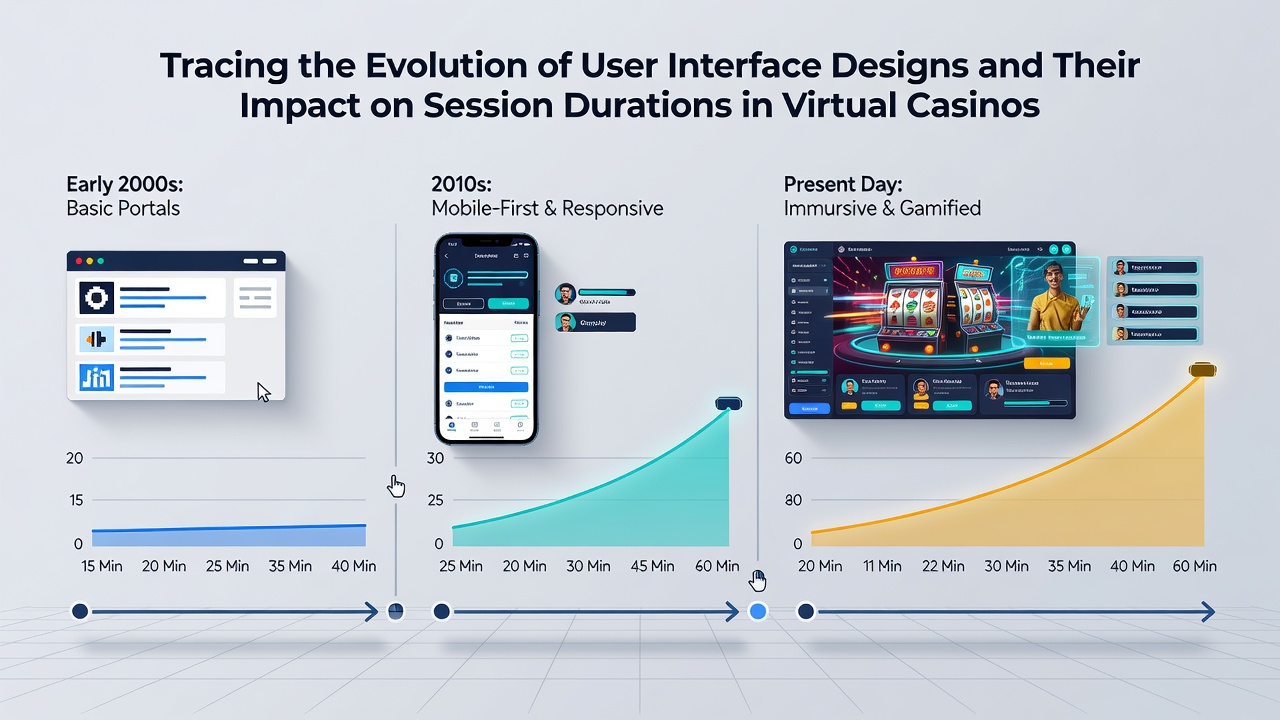
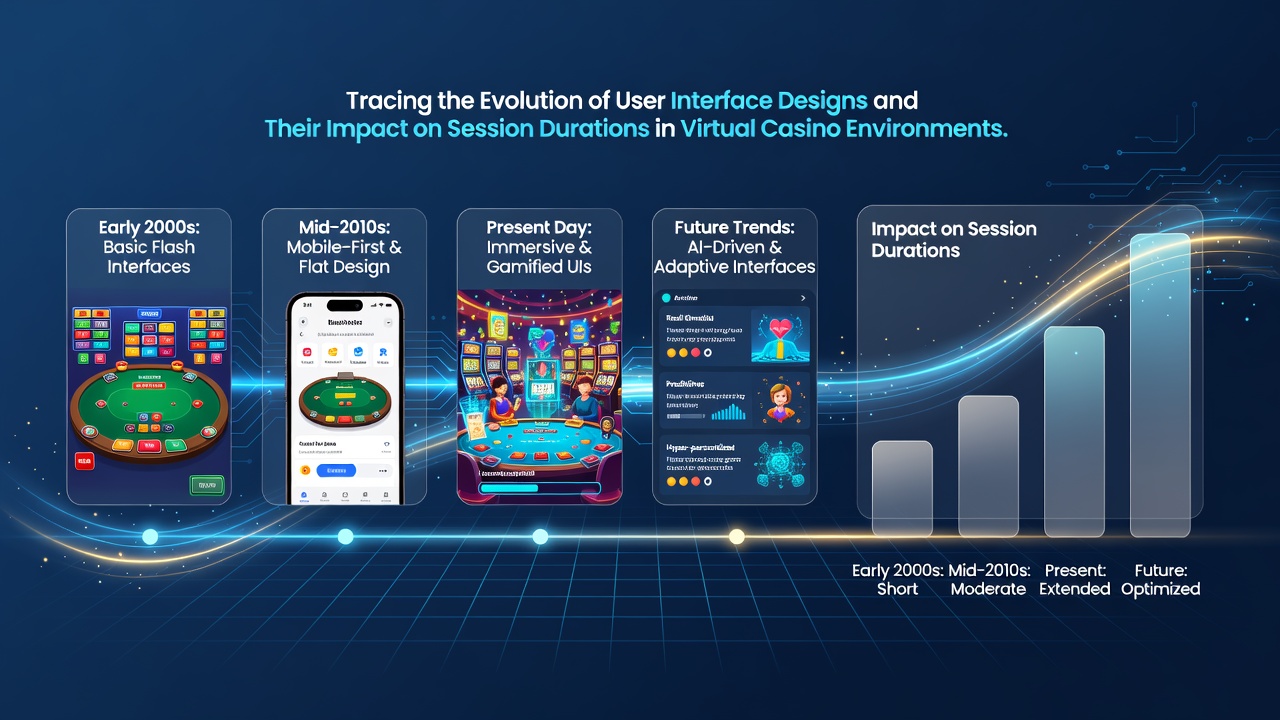 Early virtual casino platforms relied on basic HTML structures with limited graphics and static buttons that required multiple clicks to navigate between games and account features, yet these setups still managed to draw users into extended interactions because the novelty of online play outweighed the clunky navigation at the time. Researchers tracking user behavior across the late 1990s and early 2000s noted that session lengths averaged around 20 minutes per visit as players adapted to the new format while operators focused primarily on game availability rather than visual flow.
Shifts Toward Graphical and Responsive Layouts
Designers soon incorporated richer color schemes, animated reels, and dropdown menus that reduced the number of page reloads, and this change coincided with measurable increases in average session times according to industry tracking data compiled through 2010. Observers note that players spent more time exploring different titles because the interfaces allowed quicker transitions without losing momentum, while the addition of progress bars and balance displays kept users oriented during longer play periods. Those who've studied this period point out that platforms adopting early responsive elements saw retention rates climb as mobile access began to emerge, connecting desktop experiences to emerging smartphone usage patterns in a single continuous flow.
The Mobile Transformation and Gesture-Based Controls
By the mid-2010s, touch-optimized interfaces replaced mouse-driven models with swipe gestures, pinch-to-zoom features, and thumb-friendly button placements that aligned with how people actually held their devices, and data from multiple markets showed session durations extending beyond 35 minutes on average. What's interesting is how these adaptations reduced friction points that previously caused drop-offs, since one-tap game launches and persistent navigation bars kept players engaged across multiple rounds without needing to return to home screens repeatedly. Studies found that platforms integrating adaptive layouts based on screen size maintained higher engagement levels because users encountered fewer interruptions from resizing or scrolling issues, while personalized elements like favorite game carousels encouraged return visits within the same session.
Current Developments in Adaptive and AI-Influenced Designs
Contemporary interfaces incorporate machine learning to adjust layouts in real time based on individual playing patterns, such as surfacing preferred game categories or suggesting breaks through subtle visual cues, and this level of customization has correlated with further extensions in session lengths through 2025. As of June 2026, operators report that AI-driven elements like dynamic theme adjustments and predictive loading sequences help sustain engagement by anticipating user actions before they occur, reducing wait times that once fragmented play. Those who've examined platform metrics observe that regions with widespread 5G adoption experience particularly noticeable gains in session continuity because faster data transfer supports seamless animations and live updates without lag, whereas earlier connections often led to abrupt exits during peak hours.
Payment integration within the main dashboard also evolved to include one-click deposit options and instant withdrawal confirmations that appear alongside game windows, and evidence suggests these unified views contribute to prolonged activity since players no longer switch contexts as frequently. Academic analyses from institutions like the Australian Gambling Research Centre have documented how streamlined account management reduces cognitive load, allowing users to focus on gameplay rather than administrative tasks. Meanwhile, regulatory frameworks in places such as Ontario have encouraged transparent UI elements that display responsible play tools directly in the interface, and operators incorporating these features note steady session patterns rather than sharp declines.
Measuring Impacts Through Usage Data
Analytics platforms consistently show that incremental UI refinements produce compounding effects on duration metrics, with each generation of design adding several minutes to average visits when compared to predecessors. Platforms that introduced collapsible menus and floating action buttons experienced fewer navigation-related exits, while those maintaining cluttered layouts saw shorter sessions across similar user demographics. Research indicates that visual hierarchy improvements, such as larger win notifications paired with quick-rebet options, reinforce continued play by providing immediate feedback loops that feel responsive and rewarding.
Conclusion
The progression from rudimentary text pages to sophisticated, device-aware systems demonstrates how targeted interface changes directly influence how long users remain active in virtual casino settings. Data compiled across multiple jurisdictions reveals consistent patterns where improved navigation and personalization extend engagement without requiring additional marketing efforts, and ongoing refinements continue to shape these outcomes as technology advances. Those monitoring industry trends recognize that future iterations will likely build on current foundations to further align design with natural user behaviors, sustaining the connection between thoughtful UI development and measurable session extensions observed to date.