US Sweepstakes Casinos Face Market Contraction as State Laws Reshape Operations in 2026

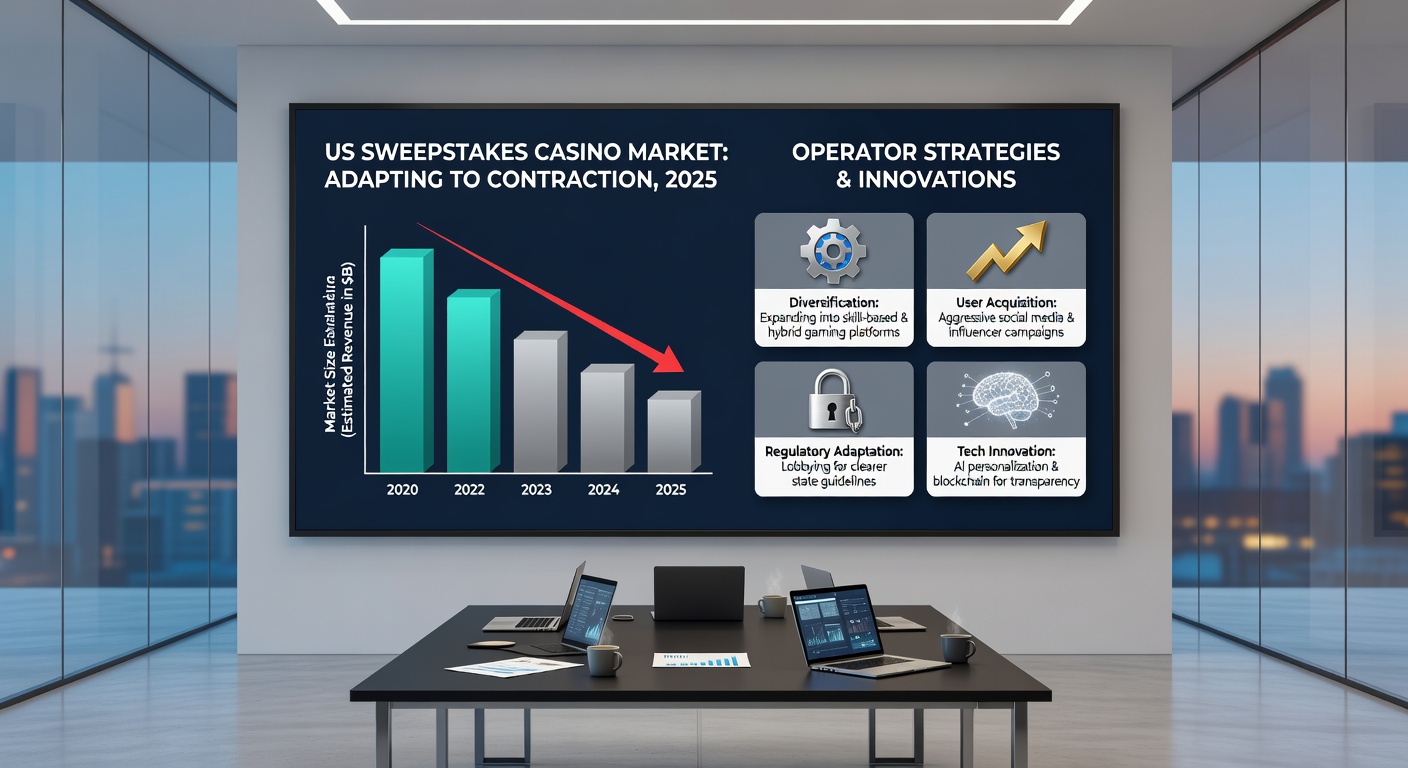
State-level restrictions have accelerated throughout 2026, prompting sweepstakes casino operators to scale back their presence in key markets while they search for sustainable paths forward. California's Assembly Bill 831 took effect on January 1, 2026, and analysts estimate it removed roughly 20 percent of national revenue for the sector. Indiana followed with House Bill 1052, which lawmakers signed in March 2026 and set for enforcement starting July 1 of the same year.
These measures build on earlier exits that occurred in 2025 across New York, Maine, and several additional jurisdictions. Observers note that operators now confront a patchwork of rules that vary sharply by state, forcing rapid recalibration of both geographic reach and product offerings.
Regulatory Shifts Drive Geographic Pullbacks
California's legislation introduced licensing requirements and operational limits that many sweepstakes platforms found difficult to meet without substantial restructuring. Data from industry tracking services shows that several major sites suspended services to California residents within the first quarter of 2026. Indiana's bill targets similar concerns around consumer protections and advertising standards, with enforcement beginning mid-year. Operators have therefore begun notifying users in that state of impending service changes ahead of the July deadline.
Earlier restrictions in New York and Maine established a precedent that regulators in other states appear to be following. Those 2025 exits reduced available player bases and prompted companies to reassess their long-term footprint in the broader sweepstakes space. Figures released by state gaming commissions indicate that cumulative revenue losses across these jurisdictions have already exceeded initial projections.
Virtual Gaming Worlds Leads Major Adjustments
Virtual Gaming Worlds, the parent company behind Chumba Casino, has executed some of the most visible changes. The operator has withdrawn from multiple restricted states while simultaneously introducing new brands designed to navigate remaining regulatory environments. LuckyLand Casino and Just Slots represent two of these launches, each featuring modified prize structures and marketing approaches that align with current compliance expectations.
Company filings and public statements reveal that VGW has also revised its promotional tactics, shifting emphasis toward retention within permitted jurisdictions rather than aggressive expansion. Litigation pressures in several states have further influenced these decisions, leading legal teams to prioritize settlements and operational modifications over prolonged court battles.
New Brands and Product Modifications Emerge
Launch of LuckyLand Casino allowed VGW to test alternative sweepstakes mechanics that some legal experts believe may satisfy stricter state standards. Just Slots followed a similar pattern, focusing on simplified gameplay loops paired with revised bonus systems. Both platforms incorporate updated terms of service that address advertising disclosures and player eligibility verification procedures now required in active markets.
Additional operators have adopted comparable tactics, though on smaller scales. Marketing budgets have been redirected toward digital channels that permit precise geographic targeting, reducing exposure in states where enforcement has tightened. Product teams meanwhile have experimented with prize pool adjustments and entry mechanics that maintain engagement levels while lowering regulatory risk.
Market-Wide Ripple Effects Continue Into Mid-2026
By May 2026 the cumulative impact of these changes had become evident in quarterly performance reports across the sector. Revenue concentration has increased in states that still permit sweepstakes operations, creating new competitive dynamics among remaining platforms. Trade associations such as the American Gaming Association have begun compiling data on how these shifts affect employment and vendor relationships tied to the sweepstakes model.
Academic researchers at institutions including the University of Nevada, Las Vegas have initiated studies examining player migration patterns following the 2025 and 2026 restrictions. Preliminary findings suggest many users have transitioned to alternative forms of online entertainment rather than seeking out unregulated options. This behavioral data informs ongoing compliance strategies for operators still active in the space.
Conclusion
The sequence of state actions from 2025 through mid-2026 has produced a more fragmented operating environment for sweepstakes casinos. Companies including VGW have responded with targeted exits, new brand development, and refined marketing approaches that reflect both regulatory demands and litigation realities. As enforcement dates approach in additional jurisdictions, further adjustments appear likely, and industry observers continue to monitor how these changes reshape revenue distribution and product innovation across the sector.